


Why keep quiet when speaking up remains the only solution? It’s the moment to shed the stigma around infertility and start a fruitful conversation. And, we should never deny the role of infertility specialists.
Through this blog, we have tried to address the different factors associated with both male and female infertility. We explore the various probable reasons for it, such as hormonal discrepancies and lifestyle choices. The discussion continues on insights from specialists on managing these conditions, the impact of the environment, and the significance of proper nutrition.
Today, we all know that infertility is impartial. It affects both men and women equally. Yet, it’s a sensitive topic that’s often shrouded in emotion and uncertainty. It’s time to throw away the humiliation and encourage open discussions for those struggling to conceive. Awareness is our greatest tool in dealing with its complexities.
What are the major contributing factors? What do infertility specialists say?
Male infertility is a silent cry which is more complex than often perceived. It involves issues like poor sperm count, suboptimal motility, or abnormal morphology.
Such conditions can be caused by a variety of reasons, including but not limited to genetic abnormalities, hormonal imbalances, and even daily lifestyle choices.
Many do not know that diabetes, sexually transmitted infections like chlamydia or gonorrhea, and specific medications can damage sperm health.
Knowing these risks is the initial step towards managing and mitigating their ill effects.
Coming to women, the path to pregnancy is not the same for all. Conditions such as ovulatory disorders, fallopian tube damage, endometriosis, and uterine abnormalities can make this journey really tough.
Then, there are hormonal imbalances acting as significant disruptors of the natural menstrual flow. Thyroid disorders and PCOS are some often neglected contributors.
This is a startling fact we can’t look away from. Global infertility rates sit at roughly 17.5%. This implies that 1 in 6 people face infertility, regardless of whether they belong to high, middle, or low-income societies. The need for adept and accessible infertility specialists becomes more relevant in such an intimidating scenario.
India is home to a massive proportion of the rising global infertility problem. Reports suggest 15 to 20 million couples in our country are undergoing this pain, contributing to around 25% of the global infertility burden.
The WHO’s findings that 1 in 4 couples in developing regions experience infertility should spark real conversations. Collective action and inclusivity in healthcare are what we must strive for.
Obesity interplays with fertility by causing reduced sperm quality in men and ovulatory dysfunction in women. Not to mention, chronic stress and the natural decline with age are facets most of us don’t anticipate.
Sperm quality isn’t constant over a man’s lifetime – you need to realize this. According to research published in Human Reproduction Update, both sperm concentration and motility deteriorate with age.
Specifically, men in their 30s see a 1-2% reduction in sperm concentration annually, and those over 40 see more rapid declines in sperm motility.
These are all gentle reminders about the ticking of the biological clock. Now, let’s come to women. Another meta-analysis reported by Human Reproduction Update in 2012 highlighted a decline in female fertility gradually from the late 20s, with a potential drop after 35.
The study also contains the associated dangers of advanced maternal age, including an increase in chromosomal abnormalities in eggs. This might lead to higher miscarriage rates and genetic disorders in offspring.
We shall open up more dialogues on how this knowledge can guide decision-making around building a family. And, one must not underestimate the role of infertility specialists in this pursuit.
Our environment has to be blamed as well. From toxins pervading the air to chemicals flowing freely inside our homes, our surroundings correlate with our reproductive system more than we might think. As a by-product, men could suffer due to lower sperm density, while women might face ovulatory struggles.
But, don’t panic. Science is tirelessly looking out for ways towards overcoming infertility obstacles. It’s extremely crucial to fuel our bodies with the right stuff.
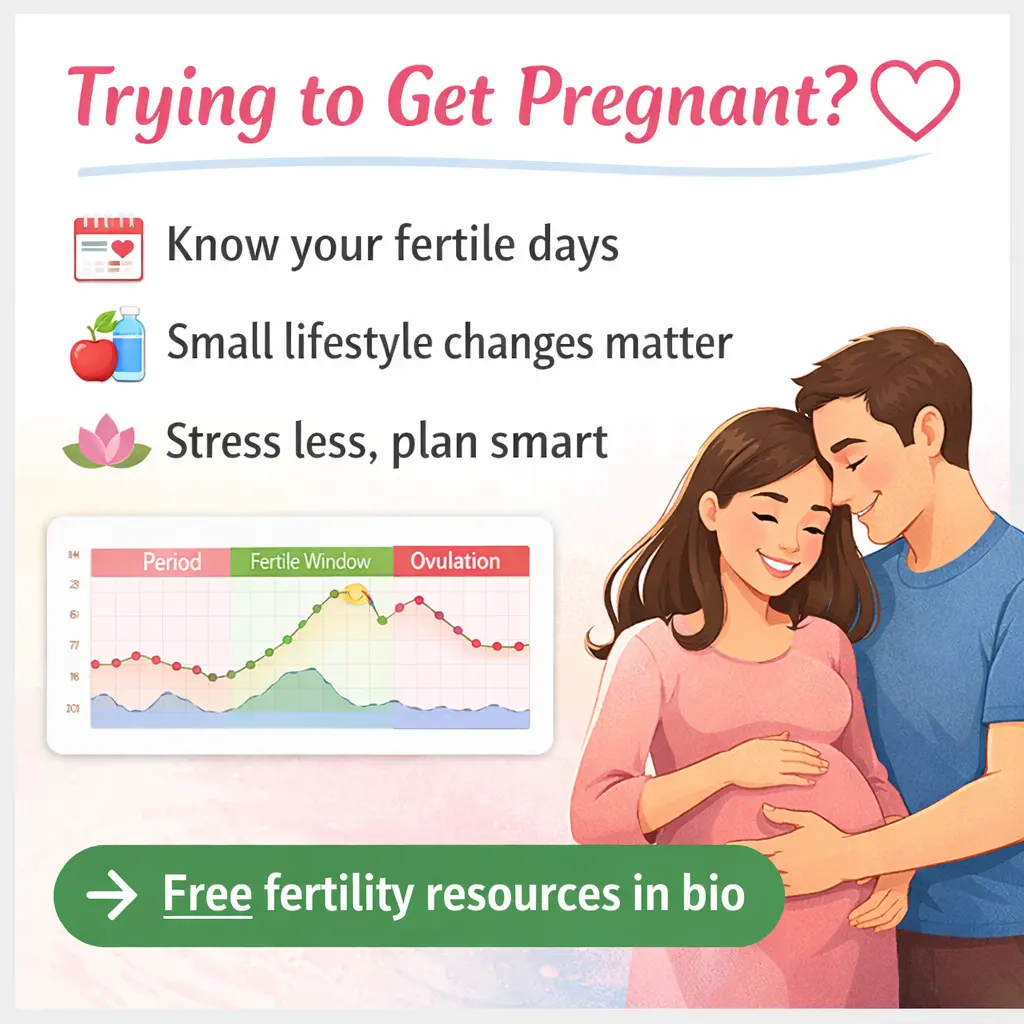
Men, please remember that vitamin E and selenium are your good allies for healthy sperm. Ladies, never skimp on folic acid, iron, and omega-3s, absolutely compulsory for reproductive health. Look at your well-being through what’s on your plate.
Here is a quick guide for men, according to what infertility specialists recommend:
- Balance is pivotal for weight management.
- Limit your exposure to harmful toxins and severe temperatures.
- Incorporate relaxation and meditative techniques to handle stress better.
- Workout wisely; because, sometimes exercise is a double-edge sword.
- Enrich your diet with antioxidants and essential nutrients.
For all the wonderful women out there, here are your five tips to regulate proper menstrual health:
- Keep an eye on your cycle – irregularities could be a sign to look for advice.
- Maintaining a healthy BMI is more than numbers, it takes care of your overall well-being.
- Tackle stress through mindfulness – your menstrual cycle will express its gratitude to you.
- Moderation in exercise makes sure your body isn’t overstressed.
- A thorough meal plan your overall energy and mood. Consult a dietician.
Walking across the emotional landscape of infertility isn’t smooth. But remember, you’re not alone in this journey. Listen to and acknowledge your emotions, no matter how miserable they might sound sometimes.
Seeking support can make all the big difference. Whether it’s through support groups or online communities, there’s courage and resilience in shared experiences.
Communication with your partner is sometime we can’t emphasize more – make sure to pour out your honest feelings and understand theirs.
Knowledge about your options can alleviate some of the anxieties. Remain informed. Read a lot. Talk to infertility specialists whenever you feel necessary.
Above all, prioritize your wellbeing through hobbies and activities that fill your heart with bliss.
Very generic. Do mention what exactly is this article about in the first paragraph. Set the context properly.
Read This Also: IVF Success Percentage Explained: India vs Global Rates