

How to Get Pregnant Naturally: Trying to conceive is not just a physical process for many couples; it’s a long journey filled with emotions. Initially, there’s excitement, followed by anticipation, and if the good news doesn’t arrive on time, anxiety and questions begin to mount.
When pregnancy doesn’t occur after several months of trying, it’s natural for various thoughts to cross your mind.
For example:
• Am I trying correctly?
• What dietary changes should I make to conceive faster?
• Why am I not getting pregnant despite all my reports being normal?
If you have similar questions, it’s perfectly normal. Whether you’re planning to become parents for the first time or facing challenges due to PCOS, low AMH, or other reasons, having the right information will definitely clear the path.
How to Get Pregnant Naturally ? Why understanding the conception process is important
Sometimes the problem isn’t in the effort, but in a lack of understanding. To conceive, it’s crucial to know how this process works in the body.
Every month, an egg is released from the woman’s ovary, a process called ovulation. This egg remains viable for a very short time, usually 12 to 24 hours. On the other hand, a man’s sperm can remain active in a woman’s body for 4 to 5 days.
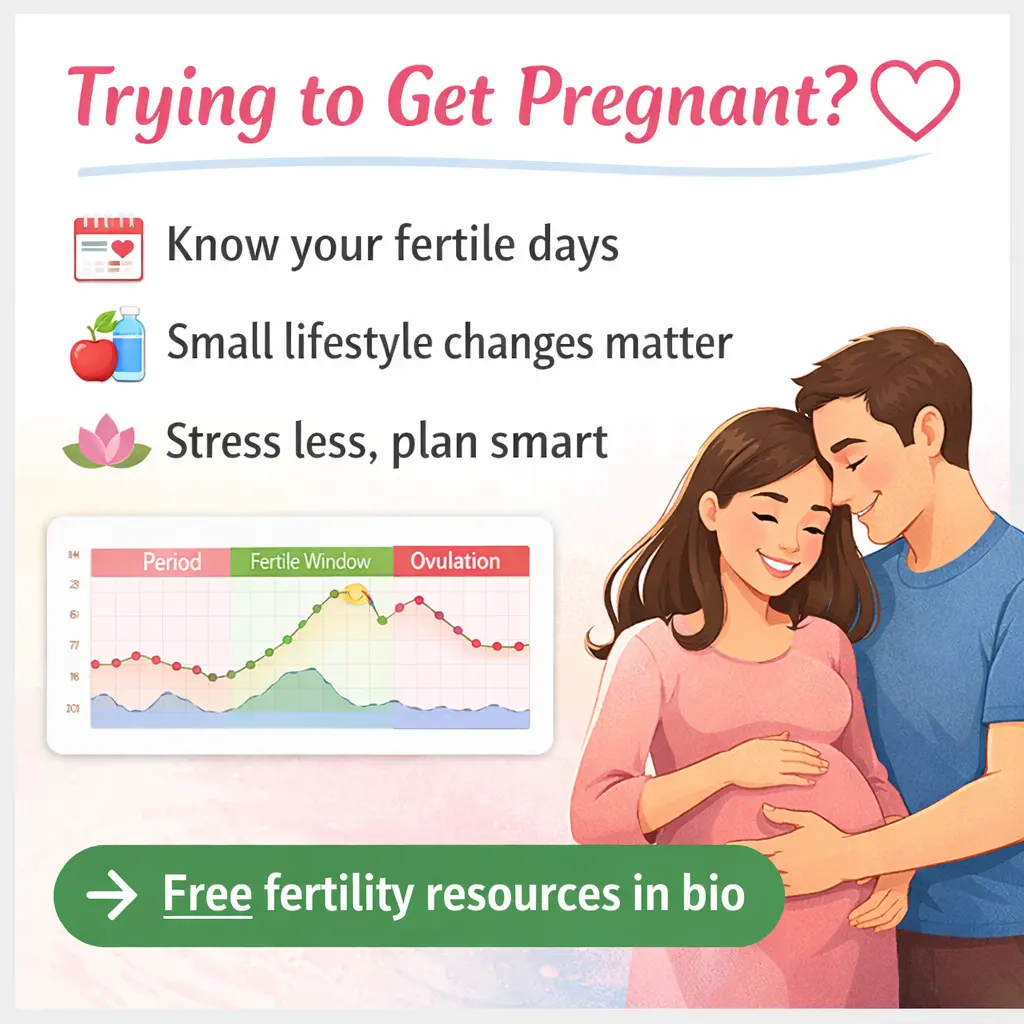
This means that conception isn’t possible on just one day, but there are several days when the chances are highest. This period is called the fertile window.
When does conception occur – identifying the right time
Conception is only possible when these three things happen at the right time:
• Release of a mature egg from the ovary
• Fertilization of the egg by sperm
• Proper implantation of the fertilized egg in the uterus
If the menstrual cycle is 28 days long, ovulation usually occurs in the middle of the cycle. However, every woman’s body is different, so understanding your body’s signals is more beneficial than relying solely on a calendar.
Fertility Tip 1: Timing is Crucial
The most common reason for not conceiving is having intercourse at the wrong time. Many couples try regularly, but fail to identify their fertile days.
Here are some easy ways to identify ovulation:
• Paying attention to changes in cervical mucus
• Using an ovulation kit
• Noting your basal body temperature in the morning
• Using a fertility tracking app
Having intercourse every other day during your fertile window is considered best. This reduces stress on the body and maintains the chances of conception.
Fertility Tip 2: Prepare Your Body with the Right Diet
For conception, it’s essential for the body to be strong from within. Diet plays a crucial role in this. A diet that maintains hormonal balance and improves egg quality is necessary.
Include the following in your diet for fertility:
• Green leafy vegetables, which provide folic acid
• Whole grains like oats and brown rice
• Protein-rich foods – lentils, eggs, paneer (Indian cottage cheese), fish
• Healthy fats – ghee, nuts, and seeds
• Iron-rich foods – spinach, beetroot, dates
For women struggling with PCOS, avoiding sugary and refined foods and maintaining a balanced diet becomes even more important.
Fertility Tip 3: Maintaining Hormonal Balance
Hormonal imbalance can be a major obstacle to conception. Stress, lack of sleep, and an irregular routine are major causes.
To maintain balance:
• Do light exercise or yoga daily
• Get 7-8 hours of complete sleep
• Practice meditation or deep breathing exercises to reduce stress
Yoga poses like Supta Baddha Konasana, Setu Bandhasana, and Viparita Karani help relax the body and increase blood flow to the reproductive organs.
Fertility Tip 4: AMH and Egg Health
Many women have concerns about the AMH test. The truth is, low AMH doesn’t mean conception is impossible. It simply means you need to use both time and effort wisely.
With the right diet, a balanced lifestyle, and well-timed attempts, there are many examples of successful pregnancies even with low AMH levels.
Fertility Tip 5: When is the right time to see a doctor?
If you haven’t conceived after a year of regular attempts, or if you are over 35 and it’s been six months, it’s wise to consult a specialist.
Some common reasons for delayed conception include:
• Ovulation problems
• PCOS or thyroid issues
• Low AMH
• Sperm-related problems
• Blocked fallopian tubes
Several treatment options are available, but preparing both your body and mind before treatment increases the chances of success.
Read This Also: IVF Success Percentage Explained: India vs Global Rates
FAQS
What does How to Get Pregnant Naturally mean?
How to Get Pregnant Naturally means conceiving without medical treatment by focusing on correct timing, healthy diet, balanced hormones, and a stress-free lifestyle.
Q2. What is the best time in How to Get Pregnant Naturally?
In How to Get Pregnant Naturally, the fertile window—4 to 5 days before ovulation and the ovulation day itself—is the best time to conceive.
Q3. What diet helps in How to Get Pregnant Naturally?
A fertility-friendly diet for How to Get Pregnant Naturally includes leafy greens, whole grains, protein-rich foods, iron sources, and healthy fats to support hormone balance.
Q4. Can PCOS affect How to Get Pregnant Naturally?
Yes, PCOS can affect How to Get Pregnant Naturally, but with proper diet, exercise, ovulation tracking, and lifestyle changes, many women conceive naturally.
Q5. When should I seek medical help while trying How to Get Pregnant Naturally?
If you have tried for 12 months (or 6 months if over 35) without success, consulting a fertility specialist is recommended while continuing natural preparation.