

Best Time for Pregnancy: When someone decides they want to get pregnant, the first confusion usually isn’t how—it’s when.
I’ve seen many couples try for months without results, not because something is “wrong,” but because they were never told how timing, health, and daily habits actually work together.
This article is for people who genuinely want to conceive and want clear, calm guidance—not pressure, fear, or unrealistic expectations. Everything here is based on real observation, common questions, and what usually helps (and hurts) in real life.
1. The Most Important Thing to Understand: Pregnancy Is About a Small Window
One of the biggest myths is that pregnancy can happen at any time in the month.
In reality, there are only a few days in each cycle when pregnancy is possible.
Here’s why this matters:
-
An egg is released once in a cycle (ovulation)
-
The egg survives for about 24 hours
-
Sperm can live inside the body for up to 5 days
That means pregnancy usually happens when intercourse occurs:
-
1–2 days before ovulation
-
or on the day of ovulation
Outside this window, chances are very low. Many people try regularly but miss this timing without realizing it.
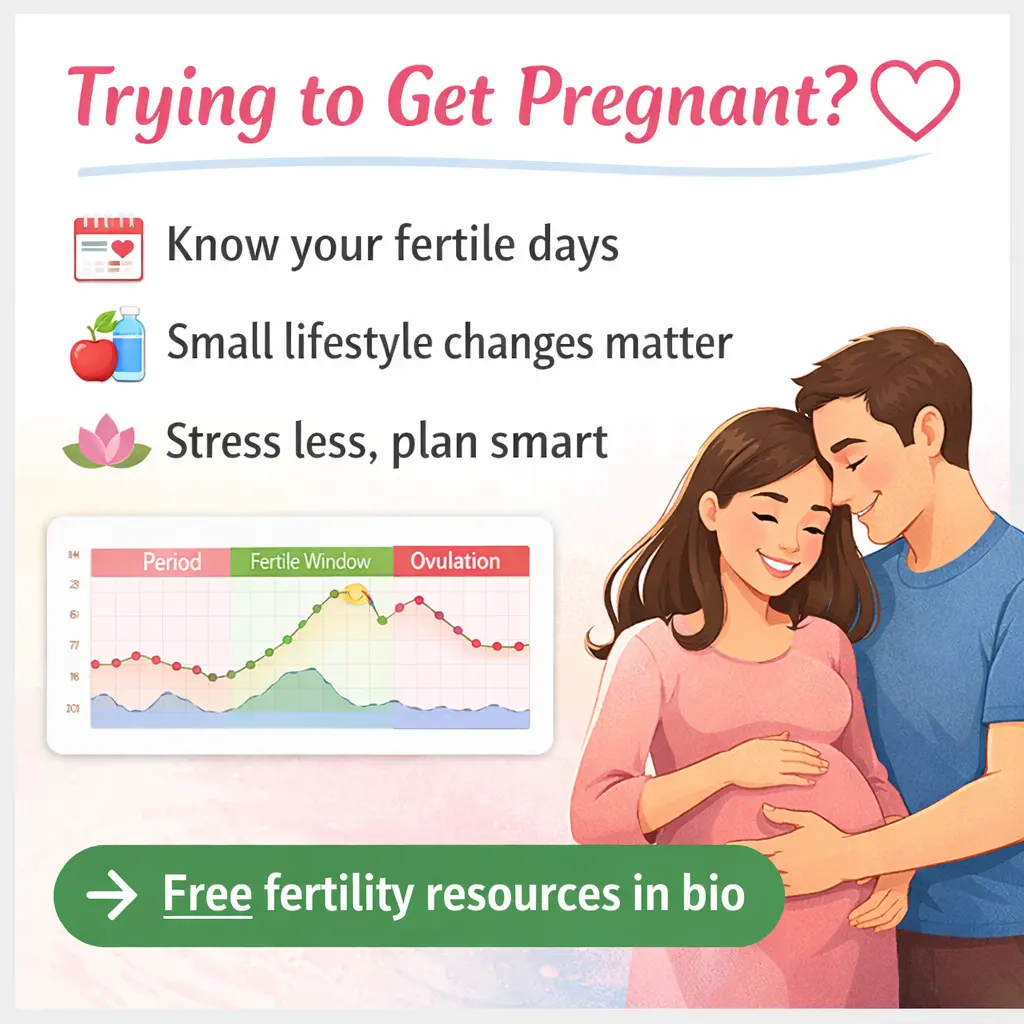
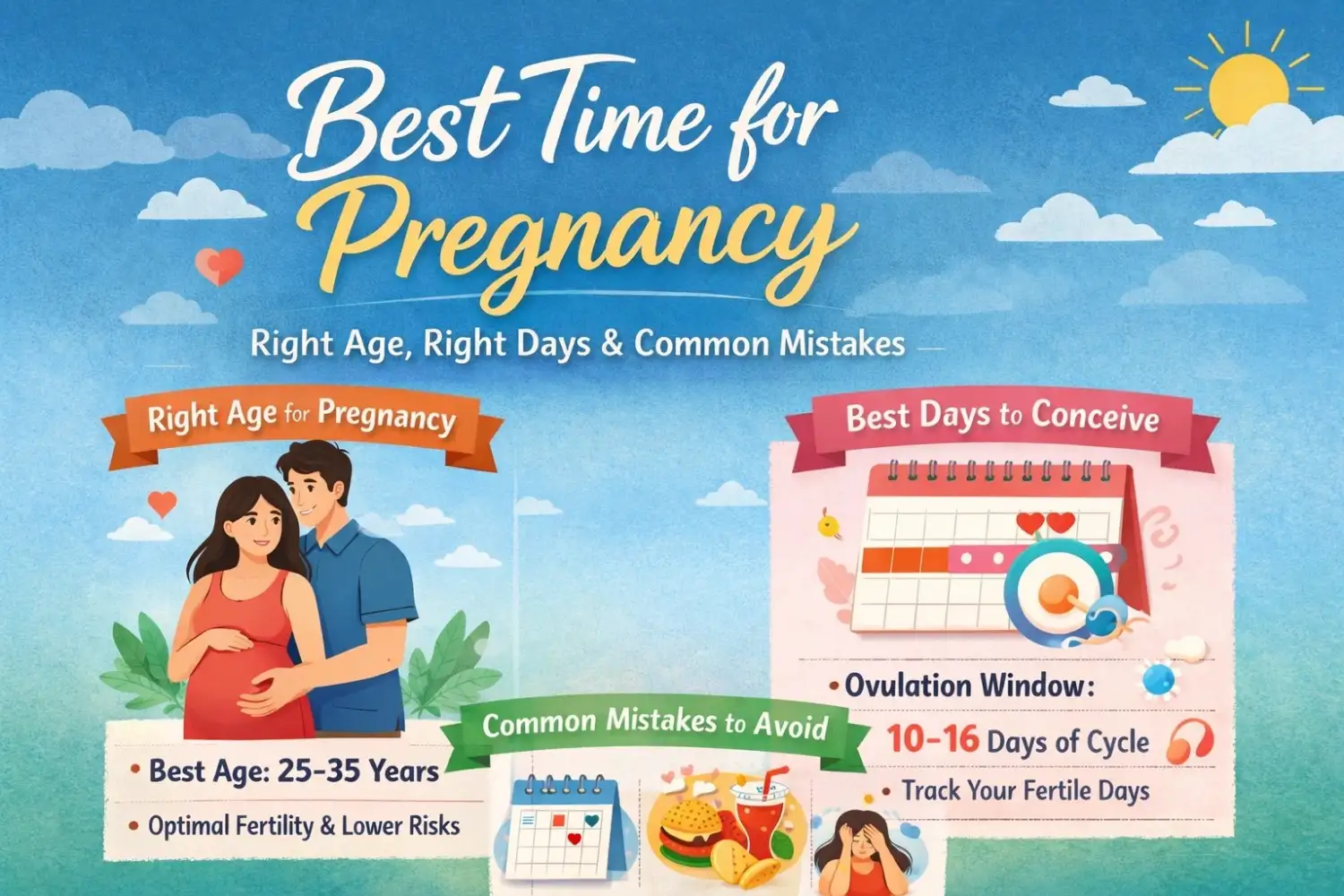
2. Best Time for Pregnancy in the Menstrual Cycle (Simple and Practical)
For someone with a regular 28-day cycle (this is just an example):
| Cycle Phase | Days | Pregnancy Chance |
|---|---|---|
| Period | Day 1–5 | Very low |
| Pre-ovulation | Day 6–9 | Low |
| Fertile window | Day 10–15 | Highest |
| After ovulation | Day 16–28 | Low |
If cycles are shorter, longer, or irregular, ovulation may shift. That’s why relying only on calendar dates can be misleading.
Why this matters:
Trying at the right time reduces stress and avoids months of confusion.
3. Is There a “Best Age” for Pregnancy?
This question comes up often and can cause anxiety, so it’s important to be realistic and gentle.
From medical experience:
-
Fertility is generally higher in the 20s and early 30s
-
It gradually declines after the mid-30s
-
Pregnancy is still possible later, but may take more time or support
What people don’t talk about enough:
-
Health matters more than age alone
-
Regular cycles, nutrition, and lifestyle make a big difference
-
Stress and untreated conditions can affect fertility at any age
I’ve seen younger people struggle and older people conceive naturally. Age is a factor, not a verdict.
4. Health Readiness: Often Ignored, Very Important
Many people focus only on timing and forget to ask:
Is my body ready to support a pregnancy?
Things that can quietly delay conception:
-
Irregular periods
-
Thyroid imbalance
-
PCOS
-
Anemia
-
Extreme weight loss or gain
-
Poor sleep
These don’t always cause pain or obvious symptoms, but they affect ovulation and implantation.
Why this matters:
Even perfect timing won’t help if the body is under strain.
5. Lifestyle Timing: When Trying Makes Sense
From experience, trying to conceive during extreme stress or exhaustion often leads to frustration.
Trying works better when:
-
Sleep is mostly regular
-
Meals are consistent and nourishing
-
Smoking and alcohol are reduced or stopped
-
Stress is manageable (not zero, just manageable)
Life doesn’t need to be perfect. But the body shouldn’t feel like it’s constantly “surviving.”
6. Common Real-Life Mistakes (and Simple Fixes)
Mistake: Trying every single day
Many think more is better.
Fix:
Intercourse every 1–2 days during fertile days is enough and often better for sperm quality.
Mistake: Depending only on apps
Apps are helpful, but they’re based on averages.
Fix:
Also notice:
-
Clear, stretchy cervical mucus
-
Mild lower abdominal pain
-
Subtle changes in energy or mood
Mistake: Ignoring the partner’s health
Fertility isn’t only one person’s responsibility.
Fix:
Sleep, stress, smoking, diet, and heat exposure affect sperm quality too.
Mistake: Panicking too early
Many people worry after 2–3 months.
Fix:
For healthy couples, taking 6–12 months is considered normal.
7. A Calm Monthly Routine That Helps
This is a simple system many people find useful:
-
Track your cycle for a few months
-
Identify likely fertile days
-
Have intercourse every other day during that window
-
Focus on rest, hydration, and food
-
Avoid early pregnancy testing
-
Review progress after several months, not weeks
Consistency works better than pressure.
Best Time for Pregnancy: Quick Checklist (You Can Save This)
-
Regular cycle tracked
-
Fertile window identified
-
Stress under control
-
Sleep mostly regular
-
Balanced meals
-
Partner’s health considered
-
Patience with the process
Key Takeaways
-
Pregnancy depends on a small fertile window
-
Timing and health work together
-
Stress and misinformation slow things down
-
Age matters, but preparation matters more
-
Asking for help is not a failure
Read This Also: Is Orgasm Necessary to Conceive? Truth Every Couple Should Know
1. Can pregnancy happen without ovulation?
No. Ovulation is necessary for pregnancy.
2. Is morning or night better for intercourse & Best Time for Pregnancy ?
Time of day doesn’t matter. Cycle timing does.
3. How long should we try before seeing a doctor?
Under 35: about 12 months
35 and above: about 6 months
4. Does position increase chances?
There’s no strong evidence that it does.
5. Can stress really delay pregnancy?
Yes. Long-term stress can disrupt hormones and ovulation.
6. Should I test pregnancy early?
Testing too early often leads to false negatives. Waiting about two weeks after ovulation is more reliable.
Final Thoughts
Trying to conceive is not just a biological process—it’s emotional too. Some months bring hope, others disappointment. That’s normal.
Understanding your body, respecting its signals, and avoiding unnecessary pressure makes the journey healthier, regardless of how long it takes.